History
The Evolution of Virtual Reality
From 1950s experiments to today’s immersive platforms
Early Beginnings (1950s-1980s)
The concept of VR dates back to the 1950s with Morton Heilig’s Sensorama, a mechanical device providing multi-sensory experiences including visuals, sound, vibration, and smell. In 1968, Ivan Sutherland created the first head-mounted display — “The Sword of Damocles” — laying the groundwork for modern VR. Throughout the 1970s and 1980s, NASA and the US military explored VR for flight simulation and training.
The First Wave (1990s)
The 1990s brought the first commercial VR products — Sega VR and Nintendo’s Virtual Boy (1995). Despite significant hype, these systems failed commercially due to technical limitations, high costs, and motion sickness. However, they validated VR as a concept and generated critical research into human perception and immersive interfaces.
The Renaissance (2010s)
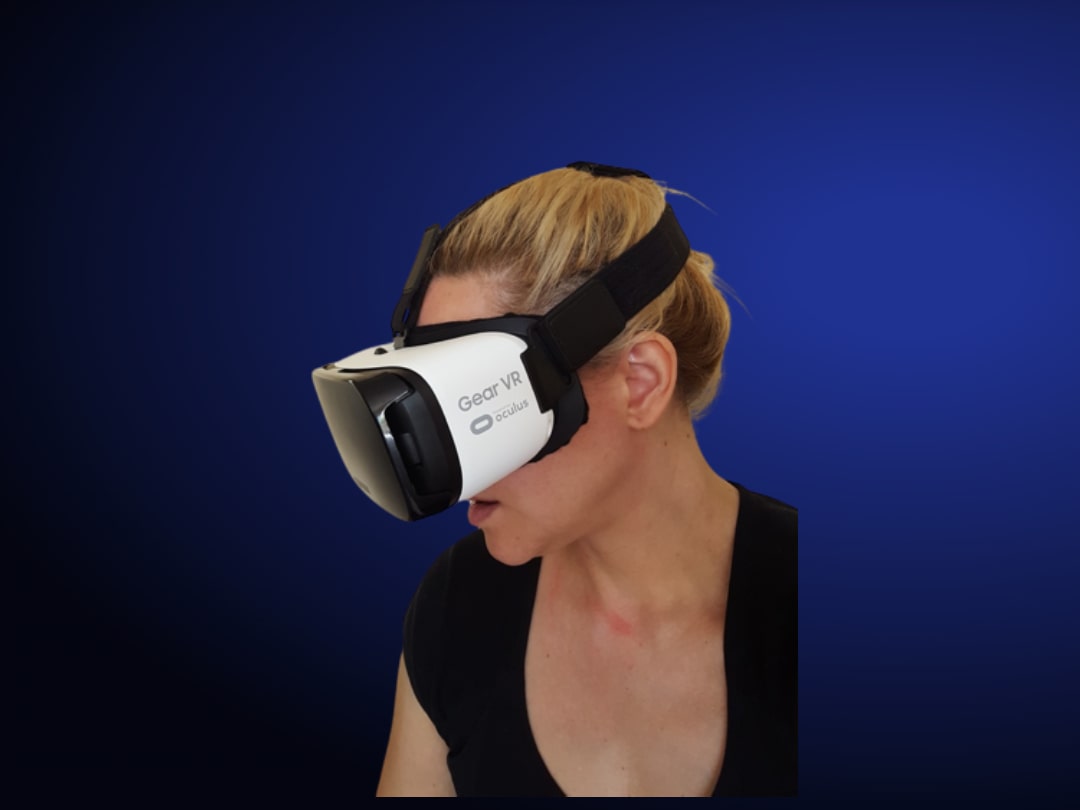
VR revived with the Oculus Rift Kickstarter in 2012, raising $2.4 million. Facebook’s $2 billion acquisition of Oculus in 2014 validated VR as a serious platform. This era saw the HTC Vive, PlayStation VR, and Samsung Gear VR bring VR into living rooms at scale.
Modern Era (2020s-Present)
Today’s VR features wireless connectivity, inside-out tracking, higher resolutions, and affordable price points. Meta Quest 2 and Quest 3 brought VR to mainstream consumers. Apple Vision Pro (2024) blended VR with AR in a premium spatial computing device.
- Standalone headsets — Meta Quest leads with 60%+ market share
- Social VR — VRChat, Horizon Worlds, Rec Room host millions
- Enterprise — Training and simulation are the fastest-growing use cases
- Mixed Reality — Passthrough cameras blend real and virtual worlds
- AI integration — Generative AI creates dynamic virtual environments